NPRCS Embezzlement Scandal: Rs. 4.2 Million Allegedly Claimed Through Fake Attendance Records

वि.सं.२०८३ कात्तिक १९ बिहीवार
shares

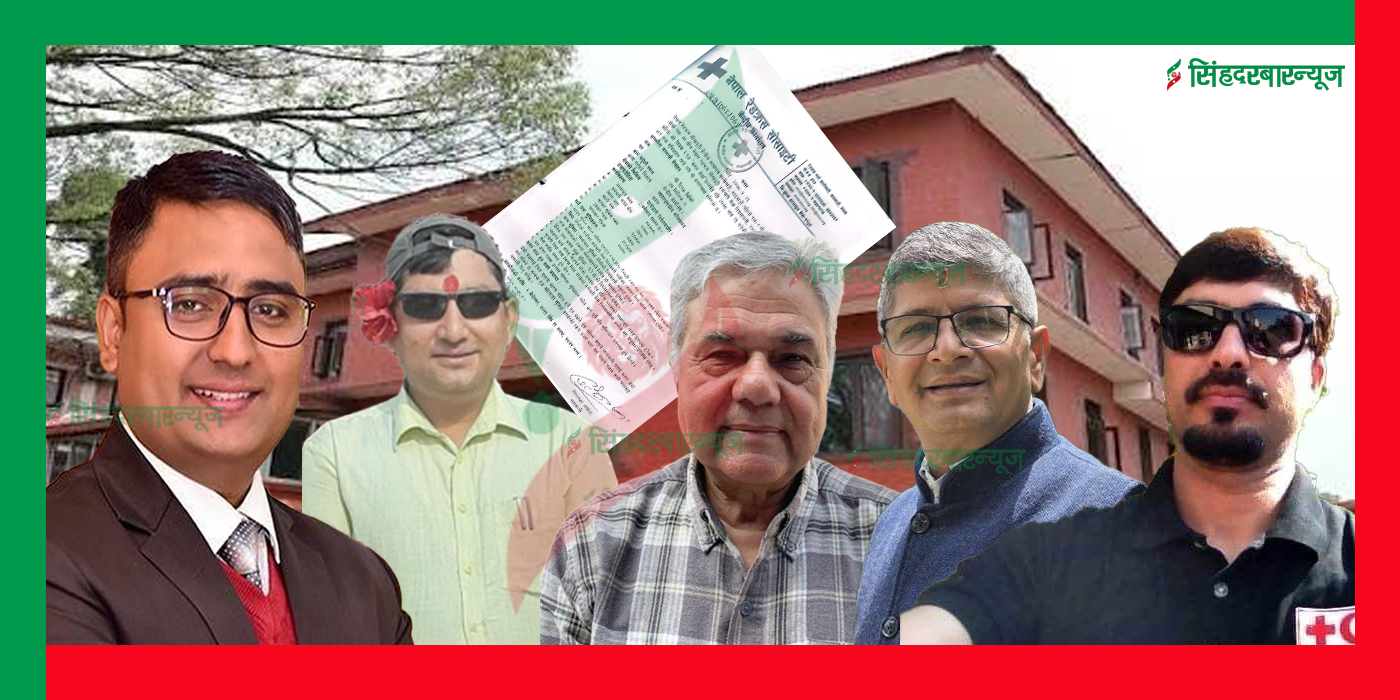
Kathmandu: A controversy involving employee appointments, contract expiration, attendance records, salary claims and financial liabilities has emerged within the Nepal Red Cross Society (NRCS). The case concerns Deepak Ghimire, who previously worked at the Udayapur District Red Cross office. Despite the expiration of his employment contract, Ghimire allegedly claimed that he remained an active employee and was entitled to unpaid salaries. The controversy escalated after disputed manual attendance records were reportedly prepared and submitted to the Labour Office and Labour Court. The subsequent decision to pay him Rs. 4.2 million has raised serious questions about administrative transparency, accountability and financial governance within the organisation.
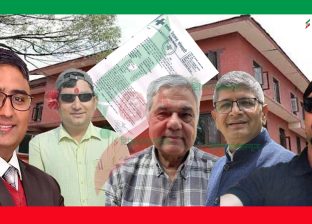
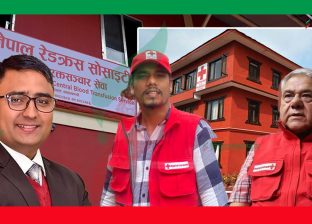
The controversy has reportedly involved former Executive Director Sudarshan Adhikari, former and current office-bearers of the executive committee, Dipendra Dhakal and current Chairman Bishal Bhandari, among others.
According to the Employee Service Regulations, 2051 of the Nepal Red Cross Society, Deepak Ghimire was appointed on a one-year contractual basis through a decision dated 2077/05/15 (August 31, 2020), under Rule 2.
He was subsequently given another one-year contract covering the period from 2078 Bhadra 17 to 2079 Bhadra 15. Following the completion of this period, his contractual employment appears to have ended. However, no official decision, appointment letter or contractual agreement has been produced to establish that his employment was extended or that he continued working after Bhadra 15, 2079.
The Nepal Red Cross Society had reportedly been operating a digital attendance system for its employees for a considerable period. According to the information available, the organisation did not have a manual attendance system in operation.
Under the regular administrative procedure, the Administration Department was responsible for preparing consolidated digital attendance records of all employees. These records were then verified by the Executive Director before being forwarded to the Finance and Administration Department for salary processing.
However, Ghimire’s name was reportedly absent from the organisation’s regular digital attendance records.
Despite this, attendance-related documents allegedly prepared and signed by Ghimire himself, and reportedly authenticated by then Executive Director Sudarshan Adhikari, were submitted to the Labour Office and Labour Court. Since the organisation was not operating a manual attendance system, the authenticity and official validity of these documents have become major points of concern.
Deepak Ghimire had filed a complaint with the Labour Office, claiming that he was still an employee of the Nepal Red Cross Society and had not received his salary. Based on the attendance documents submitted with his complaint, the Labour Court, Bhaktapur, ruled in his favour in case No. 081 LA 0129.
However, questions were subsequently raised over the documents, as they allegedly did not correspond with the organisation’s official digital attendance records and the institution had no established manual attendance system.
Challenging the Labour Court’s decision, the Nepal Red Cross Society filed a writ petition seeking a writ of certiorari at the Supreme Court.
While the case was still under consideration at the Supreme Court, allegations emerged that office-bearers of the current Central Ad Hoc Committee were subjected to pressure and influence to withdraw the case.
Central Ad Hoc Committee member Mohammad Atulla Rahman reportedly submitted a written dissent against withdrawing the case and formally recording the disputed manual attendance documents. In his objection, he stated that withdrawing the case could impose a substantial financial burden on the organisation and would be contrary to Point No. 8 of the directives issued by the Government of Nepal.
A committee led by Binod Kumar Sharma had decided that Deepak Ghimire should be paid Rs. 4.2 million. However, the legality of that decision and the documents prepared on its basis were subsequently questioned, and the decision was later withdrawn.
There are also suspicions within the Red Cross that certain former and current office-bearers had reached an understanding to distribute the Rs. 4.2 million among themselves if the payment was secured. Allegations have been made that the group led by Binod Kumar Sharma and the faction associated with current Chairman Bishal Bhandari were also involved in this alleged arrangement.
According to the details obtained, a decision made under Proposal No. 8 of the 353rd meeting of the Central Ad Hoc Committee of the Nepal Red Cross Society has also become controversial. Two office-bearers reportedly registered formal notes of dissent against the decision.
The central issue is the decision to pay Rs. 4.2 million to Deepak Ghimire despite the apparent expiration of his employment contract and the absence of documented evidence establishing a subsequent contractual extension. The decision has been described by critics as an alleged act of corruption, with questions being raised over the roles of former Executive Director Sudarshan Adhikari, Dipendra Dhakal and current Chairman Bishal Bhandari, among others.
Complaints have also reportedly been registered with the District Administration Office, Kathmandu, and the police regarding allegations that Ghimire unauthorisedly used the organisation’s official letterhead to prepare forged documents.
If the allegations of document forgery and unauthorised use of official documents are substantiated, legal provisions including Sections 276 and 253 of the National Penal (Code) Act, 2017 (2074) may be relevant.
The controversy has raised serious questions about the integrity of official records, the accountability of decision-makers and the protection of the Nepal Red Cross Society’s financial resources. The concerned authorities must investigate the disputed attendance documents, the circumstances surrounding the withdrawal of the Supreme Court case and the decision to approve the Rs. 4.2 million payment.