
realme Expands Smart Wearable Lineup in Nepal, But Questions Remain Over Pricing, Demand and Long-Term Value

वि.सं.२०८३ साउन १० आइतवार
shares

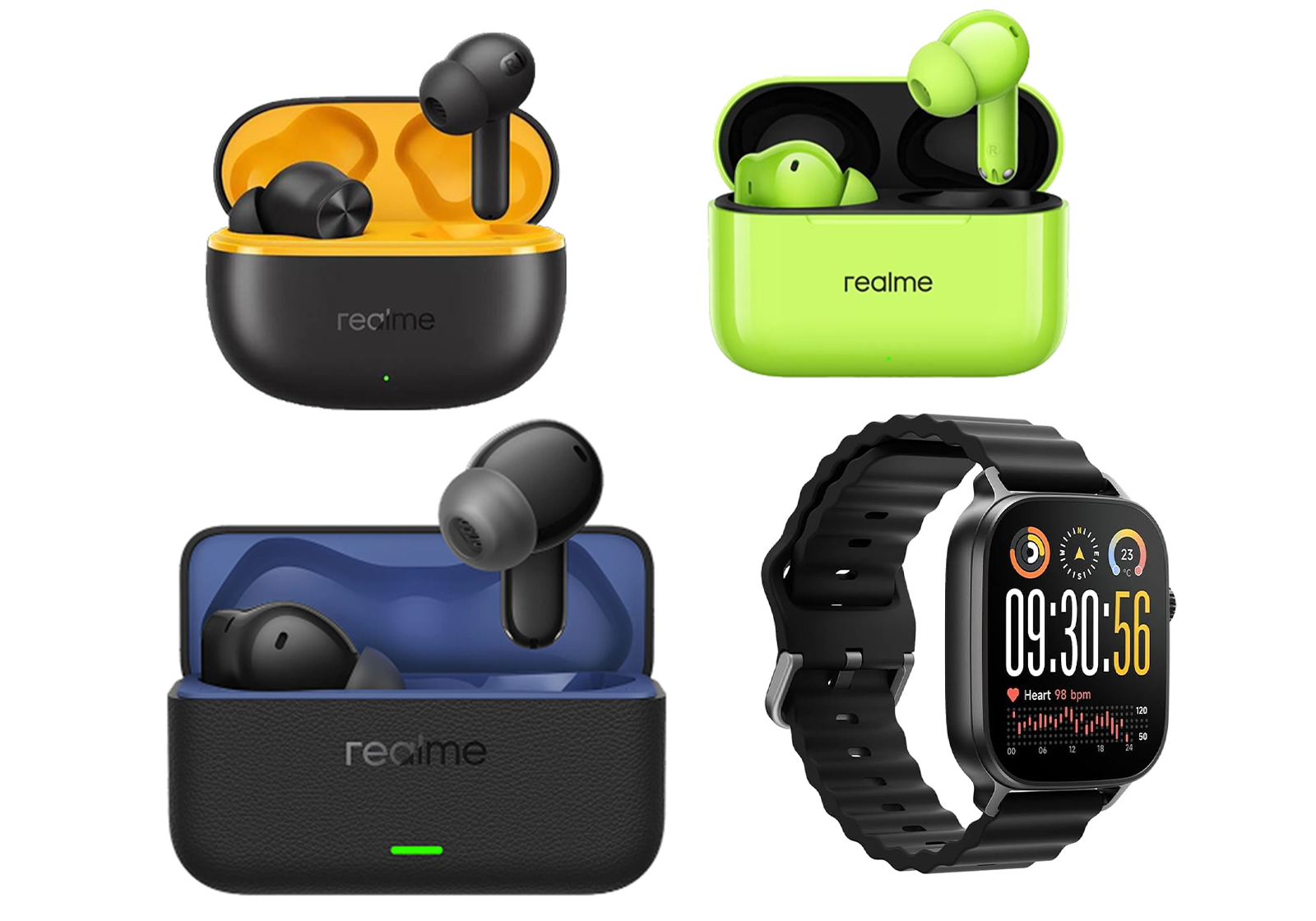
Kathmandu, realme has introduced a new range of smart wearable products in Nepal, including wireless earbuds and a smartwatch, as the company continues to expand its AIoT ecosystem. While the devices highlight advanced features such as noise cancellation, AI translation, health monitoring and extended battery life, questions remain over pricing, consumer value and the long-term adoption of premium smart gadgets in the Nepali market.
The newly launched portfolio includes the realme buds T100, buds T200, buds T500 Pro and the realme Watch W5, targeting different consumer segments. However, with prices ranging from NPR 999 to NPR 5,999, some consumers may question whether the added features justify the cost, particularly in a market where purchasing power remains a major factor.
The company has promoted AI-based features such as AI Live Translator and AI Face-to-Face Translator in the premium buds T500 Pro. However, the practical usefulness of such features for everyday Nepali users remains uncertain, as AI-powered services often depend on software support, language accuracy and consistent connectivity.
Similarly, the realme Watch W5 offers health monitoring features and a 14-day battery claim, but concerns remain among smartwatch users regarding the accuracy of health tracking systems and the long-term reliability of affordable wearable devices compared with established global brands.
Industry observers say Nepal’s wearable technology market is growing, but brands face challenges in convincing consumers to upgrade frequently due to limited awareness, price sensitivity and concerns over after-sales service and product longevity.
Although realme continues to position itself as a provider of affordable innovation, experts suggest that the success of smart wearable products in Nepal will depend not only on specifications and marketing claims but also on durability, software updates, customer support and real-world performance.
As competition in the smart device segment intensifies, consumers are increasingly looking beyond feature lists and focusing on whether these technologies provide meaningful improvements in daily life.