
Big AI Dreams, Weak Networks Reality? Huawei Nepal’s Mini MWC 2026 Raises Serious Questions

वि.सं.२०८३ जेठ १३ बुधवार
shares

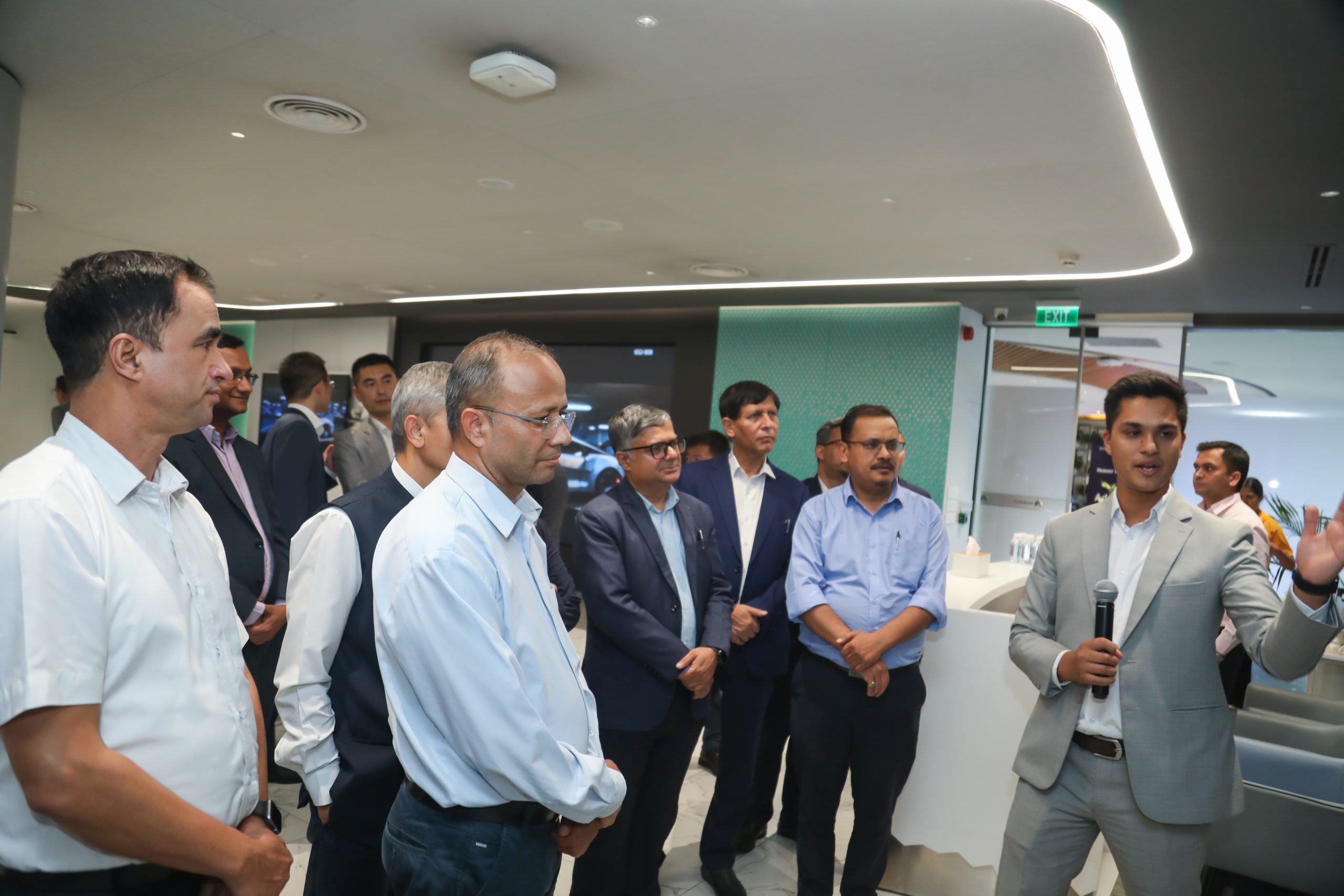
Kathmandu – Huawei Nepal’s much-publicized Mini MWC 2026 event in Kathmandu showcased ambitious visions of Artificial Intelligence, 5G-Advanced networks, and intelligent digital infrastructure, but the event has also triggered growing concerns about Nepal’s actual telecom reality, digital dependency, and consumer impact.
Hosted at Huawei Tower in Hattisar, the event gathered executives and technical teams from Nepal’s leading telecom operators under the global theme “Now Is Yours,” promoting the so-called “Age of All Intelligence.” Huawei introduced advanced concepts including AI-native telecom operations, autonomous networks, AI-centric optical systems, and intelligent energy-powered telecom infrastructure.
However, critics argue that the futuristic presentation sharply contrasts with Nepal’s ground reality, where consumers continue to face unstable mobile networks, slow internet speeds, frequent service interruptions, and weak rural connectivity.
Despite discussions on 5G-Advanced (5G-A), many parts of Nepal still struggle with reliable 4G coverage, while remote regions continue to face basic connectivity challenges. Analysts say promoting ultra-modern AI telecom ecosystems without solving existing infrastructure weaknesses risks creating a technology narrative disconnected from public experience.
Questions have also emerged regarding Nepal’s growing dependence on foreign telecom technology providers. Cybersecurity experts warn that deeper integration of AI-driven telecom systems could increase concerns surrounding data privacy, digital sovereignty, and long-term technological dependency.
Huawei’s emphasis on AI-powered autonomous networks and centralized intelligent systems has further intensified debate over how sensitive telecom data may be managed in the future. Some observers argue Nepal currently lacks strong regulatory and cybersecurity mechanisms capable of overseeing highly advanced AI-based telecom operations.
The company also highlighted “Single Site Power” systems and AI-integrated energy storage solutions designed to reduce energy consumption and create greener telecom infrastructure. While environmentally attractive, telecom insiders say deploying such sophisticated systems nationwide would require massive investment from operators already facing financial pressure and declining profit margins.
Industry observers fear the financial burden of upgrading to AI-centric and 5G-A infrastructure may ultimately be transferred to consumers through higher service charges and expensive data packages.
Another major concern raised after the event is whether Nepal’s telecom market is genuinely prepared for AI commercialization at a time when digital literacy, cybersecurity awareness, and regulatory readiness remain limited.
Although Huawei reaffirmed its commitment to Nepal’s Digital Nepal Framework and highlighted initiatives such as Smart Classroom projects in remote villages, critics argue that pilot projects and technology demonstrations alone cannot replace sustainable nationwide digital development.
As Nepal moves toward deeper digital transformation, experts say the country must carefully balance innovation with affordability, cybersecurity, infrastructure readiness, and national technological independence rather than becoming solely a testing ground for global telecom giants and emerging AI ecosystems.