
Whisky, Luxury and Exclusivity: ‘The Governor’s Table’ Raises Questions About Kathmandu’s Elite Culture
An invitation-only evening of whisky tasting, premium dining and live ghazal performances at Kathmandu’s Yak & Yeti highlights the growing culture of luxury brand experiences, even as questions of accessibility and social priorities remain.

वि.सं.२०८३ असोज ३१ शनिवार
shares

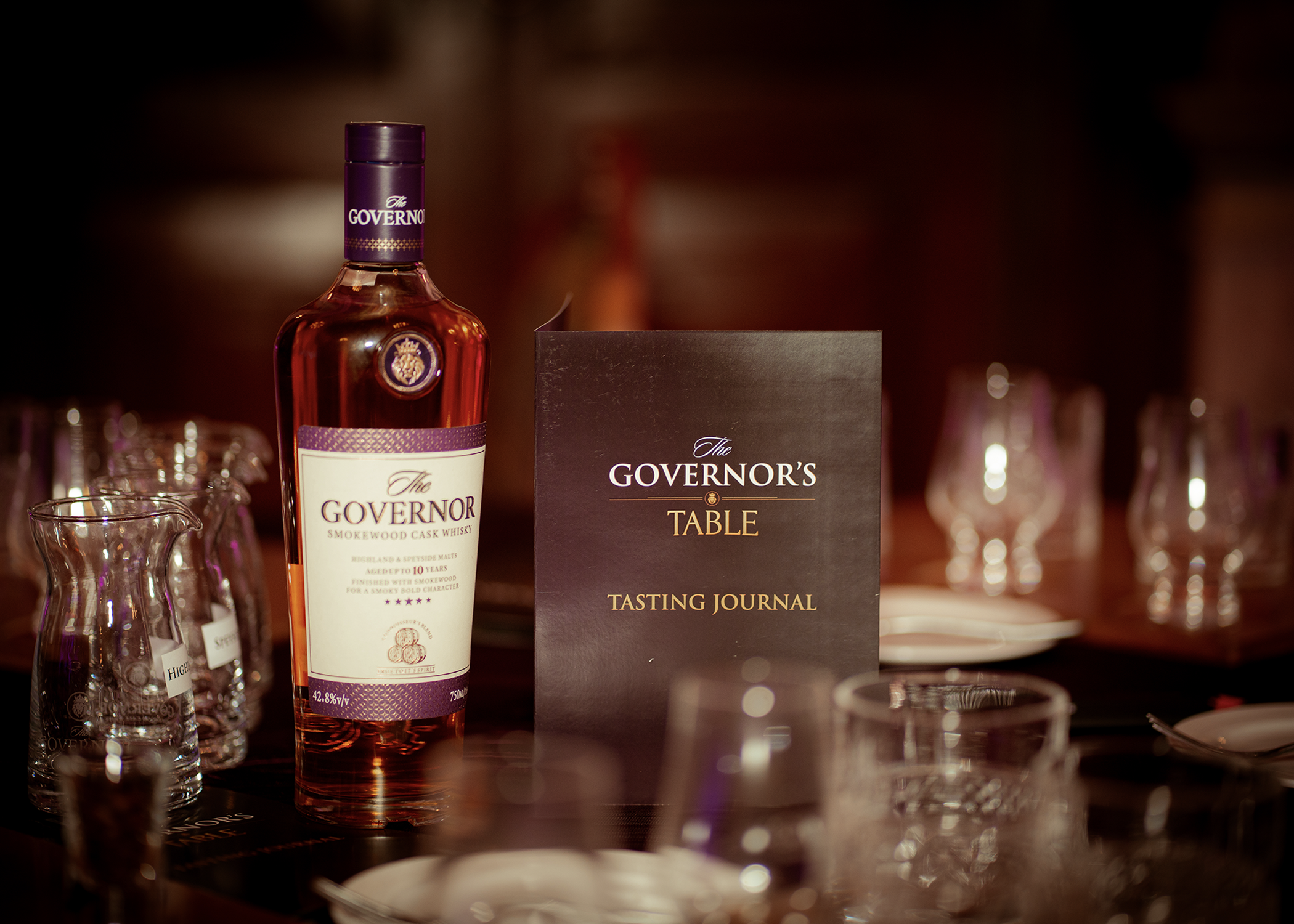
Kathmandu, An exclusive whisky appreciation event held at Dynasty Hall, Yak & Yeti, Durbar Marg, on October 15 has put the spotlight on Kathmandu’s growing culture of luxury hospitality, where premium spirits, curated dining and invitation-only gatherings are increasingly packaged as sophisticated lifestyle experiences.
Titled The Governor’s Table, the event brought together invited guests for a guided whisky-tasting session, food pairings, cocktails, dinner and live ghazal performances. Organised around the brand’s identity, the gathering was presented as an experience focused on craftsmanship, sensory discovery and refined hospitality.
However, beyond the polished presentation and carefully curated atmosphere, the event also raises broader questions about the growing emphasis on exclusivity in Nepal’s urban social and consumer culture.
Luxury packaged as an experience
According to the event description, guests explored whisky through different serving styles—neat, on the rocks and with water—alongside discussions of aroma, colour and character. The programme also featured Highland and Speyside malt aromas, curated food pairings and a relaxed evening of music and networking.
Rather than simply promoting a product, the event positioned whisky consumption as a premium lifestyle experience. The combination of an upscale venue, invitation-only access, cocktails and fine dining reflected a marketing approach that associates brands with social status, exclusivity and sophistication.
Such events may serve legitimate commercial purposes, but they also invite scrutiny of how luxury consumption is presented and normalised in a society where purchasing power and access to premium experiences remain unevenly distributed.
Exclusivity or meaningful engagement?
The invitation-only format meant that participation was restricted to selected guests. While private gatherings are a common feature of corporate hospitality and brand promotion, the model inevitably limits public access and raises questions about who gets to participate in such carefully curated experiences.
For brands, exclusive events can strengthen customer relationships and create memorable associations. For the wider public, however, the appeal of such gatherings may remain largely aspirational, particularly when luxury is promoted as a marker of refinement and social distinction.
The event description does not disclose its budget, the number of attendees, the identities of sponsors beyond the featured brand, or the commercial returns generated by the gathering. Consequently, any assessment of its financial scale or broader economic impact would require additional information.
The wider conversation around alcohol promotion
The event also brings attention to the way alcoholic beverages are marketed through lifestyle experiences rather than conventional product advertising. Whisky tastings paired with premium food, music and hospitality can make alcohol consumption appear synonymous with sophistication and social connection.
That does not, by itself, establish that the event breached any law or encouraged harmful drinking. Nevertheless, responsible alcohol communication remains an important consideration, particularly when brands seek to associate drinking with prestige, celebration and social success.
Beyond the glamour
The Governor’s Table was presented as more than a whisky-tasting session: it was designed as a complete hospitality experience, moving from guided tasting to cocktails, dinner and live musical performances.
Yet the central question extends beyond the event itself: how should luxury brands balance aspirational marketing with responsible communication and a realistic understanding of the society in which they operate?
For now, the gathering stands as an example of how brands are using exclusive experiences to build identity and customer engagement. Whether such events represent meaningful innovation in hospitality or primarily reinforce a culture of exclusivity remains a matter of public and consumer debate.