
Relief Received in the Name of Flood Victims Under Scrutiny: Questions Raised Over Red Cross Spending, Helicopter Use and Accommodation

वि.सं.२०८३ असोज १६ शुक्रवार
shares

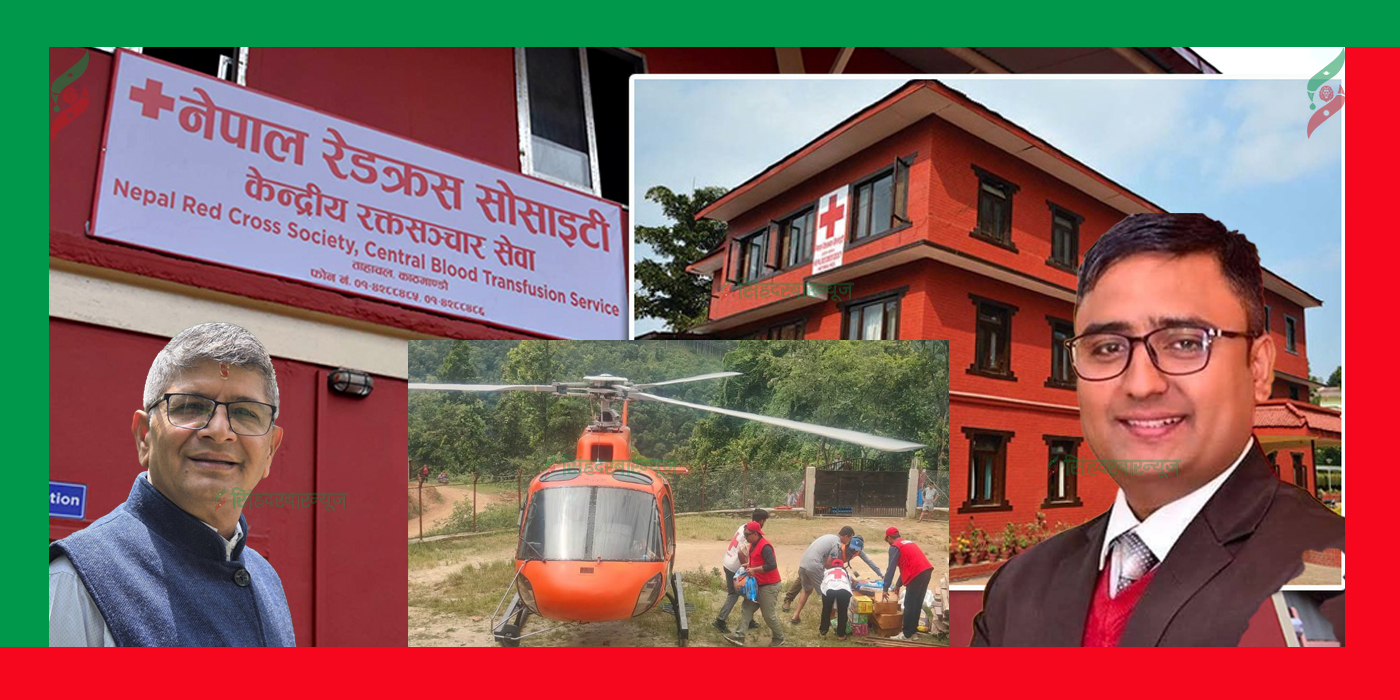
NUWAKOT: The devastating floods that struck the Bhotekoshi and Trishuli rivers on September 10, 2026, caused extensive loss of life and property in Rasuwa, Nuwakot and other districts. The disaster resulted in deaths and disappearances, displacement, destruction of homes and infrastructure, and the loss of livelihoods, affecting thousands of families.
Since the first day of the disaster, district branches, sub-branches and local volunteers of the Nepal Red Cross Society have been continuously involved in search and rescue, first aid, relief distribution and temporary shelter management. Some volunteers themselves were affected by the floods but continued serving disaster victims by putting aside their own hardships.
However, questions have now emerged within Red Cross circles regarding the mobilization and expenditure of resources received during the disaster response. In particular, demands have been raised for details showing how much of the relief funds reached the directly affected population and how much was spent on management, accommodation, transportation, allowances and administrative expenses.
Calls for Disclosure of International Assistance
In the initial phase following the floods, after external assistance fell short of expectations, the International Federation of Red Cross and Red Crescent Societies (IFRC), the International Committee of the Red Cross (ICRC) and other organizations reportedly appealed for support.
Following the appeals, assistance began arriving from Red Cross and Red Crescent societies of different countries and other international partner organizations.
In this context, stakeholders have demanded the public disclosure of the total amount of assistance received from around the world, its sources, intended purposes and expenditure details.
Local Red Cross workers say that if the organization can demonstrate that the resources were used primarily for the benefit of affected citizens, it would further strengthen public confidence in the institution. However, they argue that questions about effectiveness and transparency are inevitable when expenditure details remain unclear.
Questions Over Helicopter Use
Questions have also been raised over the use of helicopters to transport food and other relief materials to remote areas of Rasuwa and Nuwakot approximately 17 days after the floods.
In areas where roads and other forms of transportation had been disrupted, helicopter transportation may have been necessary. However, demands have been made for details on the helicopter’s capacity, number of flights, quantity of materials transported, beneficiaries and total expenditure incurred.
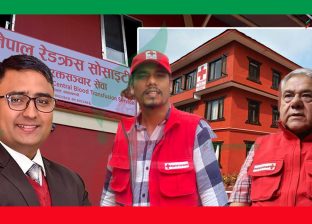
Meanwhile, allegations have also been raised that helicopters were used for the travel of Nepal Red Cross Central President Bishal Kumar Bhandari and individuals close to him. There are also claims that people close to him were kept in Nuwakot for several days after being transported from Janakpur by helicopter.
The facts surrounding these allegations can only be established after the concerned parties provide official clarification and disclose the relevant expenditure details.
Call to Prevent Disaster Response from Becoming “Disaster Tourism”
Local volunteers have raised another serious concern: whether more resources are being spent on managing teams arriving from outside than on supporting local volunteers who have been working continuously in disaster-affected areas for months.
According to local Red Cross workers, large numbers of employees and volunteers have reportedly been mobilized from the central level without adequately assessing local needs and capacities.
This has increased expenditure on accommodation, food, transportation and other logistical arrangements.
In some cases, local Red Cross volunteers reportedly had to spend time welcoming, accommodating and managing visiting teams instead of focusing on delivering relief to affected citizens.
Local volunteers say the disaster-hit areas should not become places where people arrive briefly, take photographs and leave after receiving daily allowances and other benefits from resources intended for disaster victims.
Workshops Could Have Been Held in the Affected Districts
Questions have also been raised over plans to bring officials and volunteers from Rasuwa and Nuwakot to Kathmandu for workshops and seminars, including the allowances and administrative expenses associated with such programs.
Although capacity-building programs are necessary, questions have been raised over whether it is appropriate to spend potentially hundreds of thousands of rupees in Kathmandu when similar programs could have been organized in the affected districts themselves, benefiting local volunteers, employees and officials.
Since every rupee received for disaster relief should have a clear purpose and justification, demands have been made for the expenditure details of such programs to be made public as well.
Demand for Investigation into Accommodation Expenses
Claims have also emerged that expensive accommodation was rented in Nuwakot for central office officials and employees of the Nepal Red Cross, as well as representatives of international partner organizations involved in the disaster response.
There are claims that accommodation was rented at a cost of approximately NPR 300,000 per month. Questions have been raised over the agreement, period of use, actual rent paid, number of people staying there and the necessity of renting such accommodation.
Nepal Red Cross Central Committee member Basanta Shrestha is also said to have publicly raised objections regarding the matter. If such an amount was actually spent, stakeholders say the decision-making process and the source of funds should be disclosed.
Transparency Sought in Procurement
Calls have also been made for transparency in the procurement of drinking water, sanitation and non-food items.
The public should be informed about the procurement procedures followed, quantities and prices of materials purchased, identities of suppliers and comparisons between procurement prices and prevailing market prices. Such disclosure would allow citizens to assess whether the resources were used appropriately.
The raising of these questions is not intended to undermine the contribution of local Red Cross volunteers or employees. Rather, local Red Cross workers say that the dedication and sacrifices of volunteers make it even more important to ensure that institutional resources are managed transparently.
Local Volunteers Continue Serving Despite Losing Their Own Homes
Red Cross officials and volunteers in Rasuwa and Nuwakot have also been affected by the floods. Despite damage to their homes and personal property, many have continued working in relief and rescue operations with high morale.
They have not demanded large allowances or special benefits during the crisis. Local volunteers are widely regarded as the real strength of the Red Cross because they have continued helping affected citizens while putting aside their own family and personal hardships.
Therefore, local stakeholders say the financial and administrative questions currently being raised should not overshadow the contributions of these volunteers. Instead, their sacrifices should be recognized while resource mobilization by the organization is made more transparent, accountable and economical.
Six-Point Demand for Disclosure from the Red Cross
During the Bhotekoshi–Trishuli flood response, demands have been raised for the central office of the Nepal Red Cross Society to immediately make the following details public:
The total amount of assistance received from domestic and international sources, along with the sources of the funds.
Sector-wise and category-wise expenditure details of the assistance received.
Expenses incurred on helicopters, vehicles, accommodation, daily allowances, seminars and workshops.
Details of the procurement process, prices, quantities and suppliers of relief materials.
The number of employees and volunteers mobilized from the central level and the expenses incurred for their deployment.
An independent investigation into allegations of irregularities and misuse of resources.
The identity of the Red Cross is closely associated with humanity, voluntary service, impartiality and trust. As citizens place immense confidence in the organization during disasters, it is essential that the use of every rupee received in assistance remains transparent.
Local stakeholders emphasize that assistance received from around the world in the name of flood victims should not become a source of personal benefits, unnecessary travel or excessive administrative expenses. Instead, the assistance should directly reach people who have lost their homes, family members and livelihoods and those deprived of basic necessities.
The Nepal Red Cross Society’s central office has yet to publicly issue an official response or disclose detailed expenditure records regarding these issues.