
Ncell CEO Michael Foley Resigns Citing ‘Government Pressure’ on Foreign Investment, Returns Home Before Completing a Year

वि.सं.२०८३ असोज १५ बिहीवार
shares

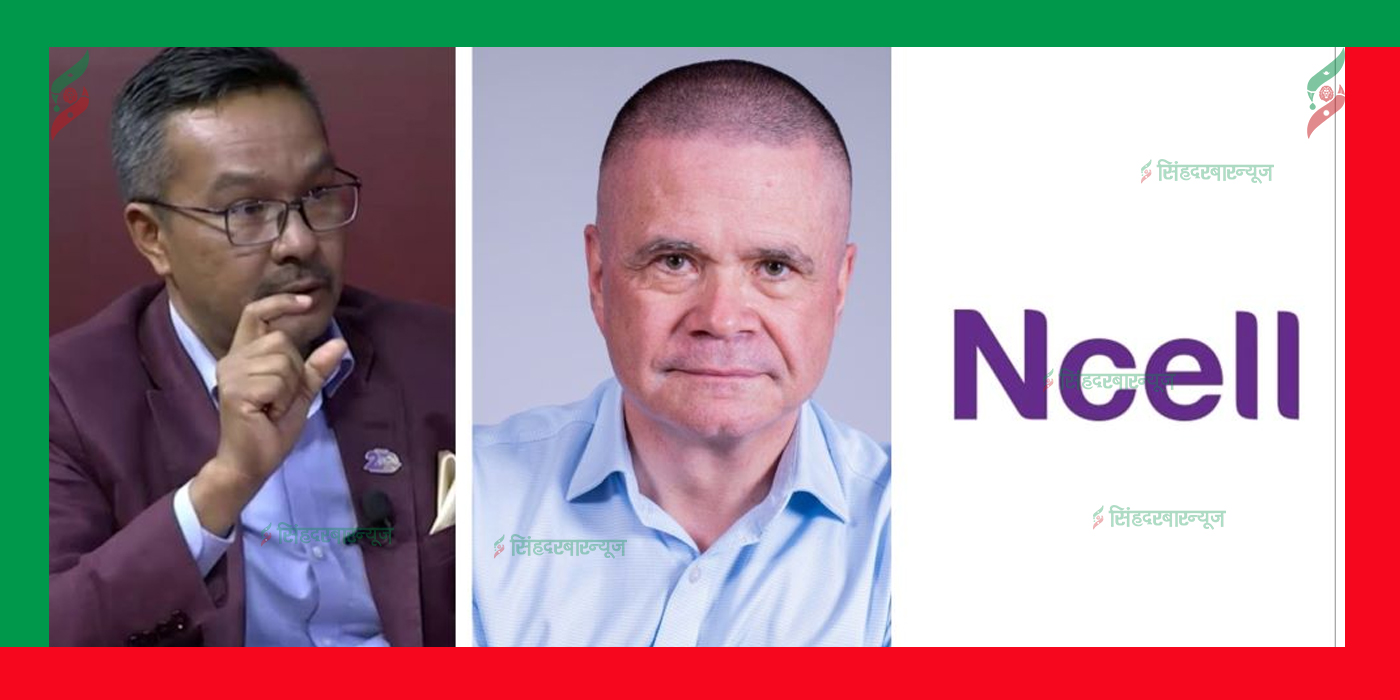
Kathmandu: Ncell Chief Executive Officer (CEO) Michael Foley has resigned, reportedly expressing concerns that the environment for foreign investment in Nepal has been deteriorating and that the company has been facing increasing difficulties in its operations. Foley’s departure from Nepal before completing even a year in the position has raised serious questions about the country’s investment climate.
Following Foley’s resignation, the Ncell Board of Directors has assigned Chief Corporate and Regulatory Affairs Officer Dilli Ram Shrestha to serve as interim CEO. The change in interim leadership has also been communicated to the regulatory body, the Nepal Telecommunications Authority.
The leadership change at Ncell comes amid growing concerns reportedly faced by foreign investors in Nepal over regulatory and legal challenges. Ncell is understood to view recent government actions in particular as creating further uncertainty for private-sector businesses and foreign investors.
One issue of particular concern is the auction of Smart Telecom’s assets. Questions have been raised after banks involved in the auction and service providers that acquired the assets were brought under investigation, with preparations reportedly underway to pursue legal action against them. The development has raised concerns within the private sector that such actions could have broader implications for businesses and investors.
Amid these developments, Foley is reported to have concluded that it had become increasingly difficult to operate in Nepal and subsequently decided to step down from his position.
Relations between Ncell and the government had also become strained following the publication of a report prepared by a committee led by former Finance Secretary Tankamani Sharma. Ncell had approached the Supreme Court, claiming that the publication of the report violated the company’s confidentiality rights.
Although the Supreme Court issued an interim order in Ncell’s favor, the order did not immediately resolve the broader distrust between the company and the government.
Ncell had previously raised concerns during discussions between the Finance Minister and foreign investors, reportedly complaining that foreign investors in Nepal were facing difficulties and what they perceived as excessive pressure from government agencies.
The government has repeatedly expressed its commitment to attracting foreign investment through investment summits and various international forums. However, the resignation of the head of a major foreign-invested telecommunications company, reportedly citing an unfavorable operating environment, sends a significant message regarding the country’s investment climate.
The latest development has once again raised a fundamental question: How can foreign investment remain sustainable in Nepal if investors are encouraged to come to the country but subsequently face regulatory pressure, legal complications and government intervention after arriving?
Ncell’s leadership change therefore goes beyond a routine executive transition. It has brought renewed attention to Nepal’s foreign investment policies, regulatory stability and the relationship between the government and the private sector.
If foreign investors begin leaving Nepal with the perception that the country is not a conducive place to operate, it could directly affect the government’s efforts to attract new investment. Foley’s resignation therefore warrants consideration not merely as a managerial change, but as a potential “red flag” regarding Nepal’s investment environment.